
Identity-Led Branding: Building Brands From the Inside Out
Why sustainable brand expression starts with identity, not positioning
For a long time, I worked with branding in ways that looked correct on paper.
Clear positioning. Defined audiences. Visual coherence. Messaging frameworks that made sense when laid out step by step. I understood the logic behind them, and for many people, they worked well enough.
And yet, over time, something kept not adding up.
I would watch thoughtful, capable people do everything they were “supposed” to do. They invested in strategy. They refined their message. They redesigned their websites. They adjusted their tone. Still, something felt off. Not visibly broken, but internally strained. The brand looked fine, but it didn’t feel stable. Visibility felt effortful. Expression felt filtered. Direction kept changing.
At first, I assumed this was a normal part of business growth. A temporary mismatch. A confidence issue. A phase that would resolve once the strategy landed.
It didn’t.
When the model works, but the experience doesn’t
Conventional branding logic starts from the outside. You define a market, choose a position, decide how you want to be perceived, and then shape yourself to fit that decision. It’s a rational process, and it’s not wrong.
But in practice, I kept seeing the same pattern repeat. When someone was in the middle of an identity shift, that logic didn’t stabilise them. It often did the opposite. The more they tried to define themselves, the more fragmented they felt. The harder they worked on clarity, the more disconnected their expression became.
This wasn’t about skill or discipline. These were often highly self-aware people. Emotionally literate. Introspective. Deeply committed to their work.
Over time, what became clear was this: the issue was not strategy. It was sequence.
Branding was being treated as a creative act of invention, when for many people it needed to be an act of recognition.
Personality-led branding versus identity-led branding
A lot of what is called “authentic branding” today is still personality-led. It focuses on traits, preferences, communication style, values, and personal stories. It encourages people to show more of who they are, to be more visible, more expressive, more relatable.
That can be helpful. It can also be limiting.
Personality is shaped by context. By adaptation. By what has been rewarded, discouraged, or made safe over time. When branding work stays at that level, it often reinforces the version of the self that already knows how to function, not the one that is trying to emerge.
Identity-led branding starts somewhere else.
It pays attention to the underlying architecture beneath personality. To the patterns that persist regardless of mood, confidence, or circumstances. To how someone naturally leads, relates, processes information, and holds responsibility. To what feels sustainable over time, not just compelling in the moment.
This isn’t about values statements or authenticity as performance. It’s about coherence.
What identity-led branding is actually working with
When I say identity, I’m not referring to labels or roles. I’m referring to the internal structure that shapes how someone moves through the world, whether they are conscious of it or not.
This includes emotional patterns. Decision-making tendencies. The way attention is directed under pressure. The relationship to visibility, authority, and responsibility. The difference between what feels expansive and what feels constrictive, even when both look “successful” from the outside.
In practice, identity-led branding works with several layers at once:
Surface behaviour, what someone does and says.
Emotional dynamics, how they regulate, respond, and relate.
Subconscious patterns, where protection, avoidance, or over-functioning show up.
Relational fields, how they are perceived and responded to without trying.
Identity stages, where they are developmentally, not aspirationally.
None of this is visible in a positioning statement. But all of it shapes how a brand is experienced.
How this approach evolved for me
I didn’t set out to build a methodology. What I was doing emerged gradually, through noticing.
As my own identity shifted, and as I worked more deeply with others, I began to see patterns that weren’t explained by standard branding frameworks. Certain misalignments repeated themselves across industries and personalities. Certain tensions appeared whenever someone tried to scale or become more visible before their internal structure had caught up.
At the same time, I was working with symbolic systems that map identity in a non-narrative way. Not as belief systems, but as pattern languages. What struck me was not their mysticism, but their precision. They described dynamics people hadn’t yet articulated, often without relying on self-perception at all.
Over time, as these observations accumulated, a clearer organising principle emerged. Branding wasn’t failing because people lacked confidence or consistency. It was failing because expression was being asked to lead identity, rather than follow it.
Identity-led branding names that inversion.

Recognition instead of invention
One of the most significant shifts in this approach is the starting point.
Instead of asking, “Who do you want to be seen as?”, the work begins with, “Who are you already being experienced as, and why?”
Instead of designing a voice, it looks at where the voice is being filtered. Instead of forcing visibility, it examines what kind of visibility is actually sustainable. Instead of amplifying personality, it clarifies the signal beneath it.
This doesn’t mean identity is fixed or static. It means it has structure. And when that structure is respected, evolution becomes more coherent.
In practice, this often brings relief. People stop trying to hold themselves in shapes that no longer fit. Direction emerges not as a decision, but as a recognition. Expression becomes simpler, not louder.
Why this matters beyond branding
What I later realised was that this work sits at the intersection of branding, coaching, and personal development, whether it names itself that way or not.
Many founders and leaders aren’t struggling because they lack skill or ambition. They’re struggling because their internal identity has outgrown the role they’re still operating from. Strategy alone can’t resolve that. Neither can mindset work in isolation.
Identity-led branding doesn’t try to solve this. It reveals it.
It offers a way to bring external expression back into alignment with internal reality, without forcing premature resolution. Without bypassing. Without turning personal evolution into a marketing tactic.
A different organising principle
Looking back, what I’ve been refining over the past two years wasn’t a branding method as much as a way of seeing.
A way of recognising when something that looks like a marketing problem is actually an identity one. A way of distinguishing between confusion and transition. A way of building brands that don’t just look coherent, but feel stable from the inside.
Not because they are perfect. But because they are aligned with who the person actually is, at this stage of their evolution.
That, for me, is what identity-led branding means.
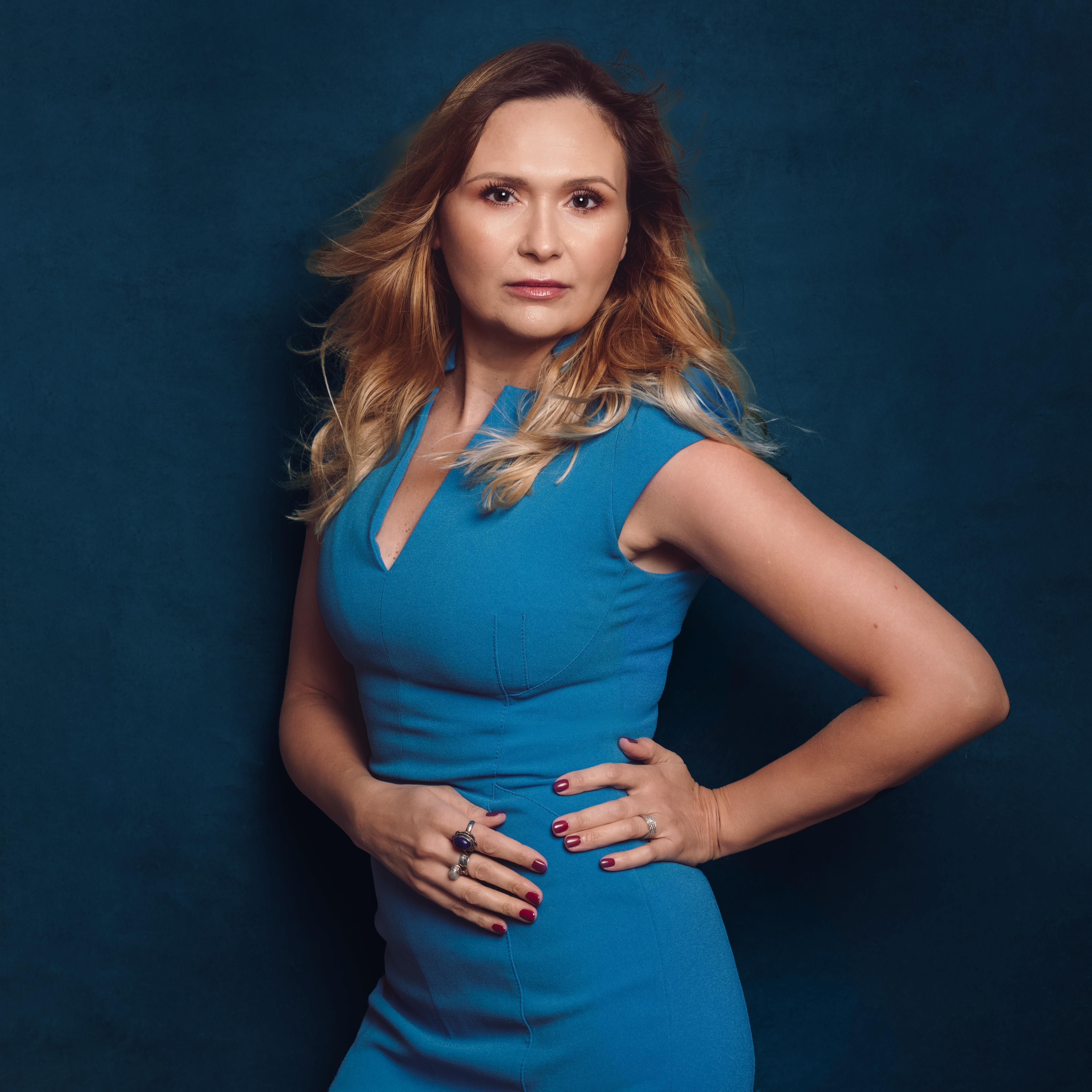
I work with branding at the level where identity comes before strategy.My approach emerged through years of noticing where traditional branding works on paper but breaks down in practice, especially during periods of personal evolution.
I integrate symbolic identity systems, AI-assisted pattern analysis, and deep emotional insight to map the underlying architecture that shapes how people lead, communicate, and are perceived. Not to create a persona, but to reveal what is already operating beneath conditioning, adaptation, and survival strategies.
This is identity-led branding as a form of personal transformation expressed outwardly. The work focuses on coherence, not performance, and on restoring alignment between internal state and external expression.
For some, that expression takes shape through language, strategy, and visibility. For others, it extends into visual embodiment, where photography reflects identity shifts and leadership presence at the moment someone is ready to be seen.